

How Can Your Dentist Help When Snoring Is More Than Just Snoring?
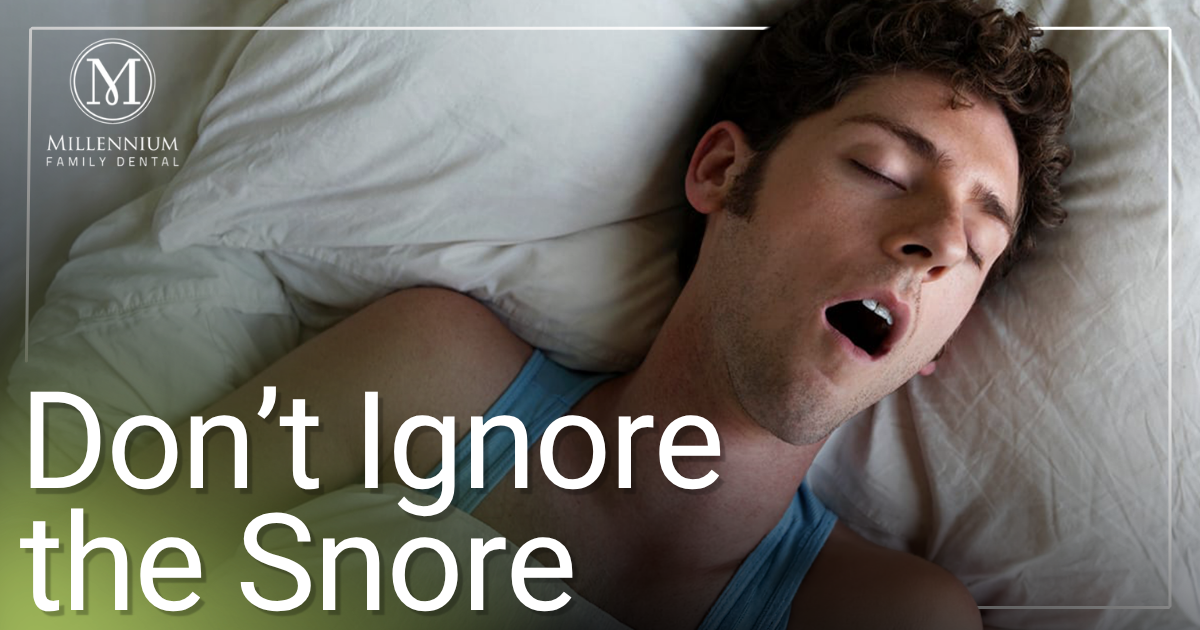
Snoring is easy to dismiss, especially when the person snoring sleeps right through it. However, snoring can be more than a noisy nighttime habit. It can signal that air has trouble moving freely through your airway while you sleep.
For some people, frequent, loud snoring is a symptom of obstructive sleep apnea, a condition in which breathing repeatedly stops and starts during sleep. That makes snoring worth discussing, especially when other symptoms are part of the picture.
When Snoring Deserves a Closer Look
Not everyone who snores has sleep apnea. Snoring can happen for many reasons, and an occasional noisy night doesn’t necessarily mean something is wrong. However, certain patterns deserve attention. If you snore heavily and regularly, wake up gasping or choking, experience morning headaches, or struggle with persistent daytime exhaustion despite spending enough time in bed, it may be time to find out why.
Sometimes another person notices the signs first. A spouse or partner may hear pauses in your breathing followed by gasping or a return to loud snoring. Share these details with your healthcare providers.
What Is Obstructive Sleep Apnea?
Obstructive sleep apnea occurs when the airway becomes blocked during sleep, interrupting normal breathing. Those interruptions can happen repeatedly throughout the night. Even if you don’t remember waking up, your body may be working hard to restore normal breathing instead of getting the continuous, restorative sleep it needs. That can help explain why someone can seemingly sleep all night and still wake up feeling tired.
Sleep apnea is also about more than sleep quality. Because healthy breathing and oxygen levels are essential to overall health, identifying and properly managing a sleep-related breathing disorder matters.
So, Why Talk to Your Dentist?
You may not immediately associate your dentist with snoring or sleep. Dentists, however, have a unique perspective on the mouth, jaw, and airway-related structures. At Millennium Family Dental, sleep-related dentistry is part of our whole-health approach because what happens in your mouth does not exist separately from the rest of your body. When symptoms suggest something beyond simple snoring, we can help you explore the right next steps.
A Custom Oral Appliance May Be Part of the Solution
For some adults with obstructive sleep apnea or habitual snoring, a custom oral appliance may be an appropriate treatment option. We make each custom oral appliance to gently position the lower jaw forward while you sleep, helping keep your airway more open.
Because every patient is different, oral appliance therapy should be based on your needs, not a generic device you choose on your own. The goal is to support easier nighttime breathing so you can sleep more soundly.
Better Sleep Can Change Your Days Too
It’s easy to think about sleep as something that matters only at night. In reality, how well you sleep can influence how you feel throughout the following day. Poor-quality sleep can leave you tired, unfocused, irritable, or less productive than usual. When a sleep-related breathing problem is contributing to those difficulties, addressing the underlying issue may make a meaningful difference in everyday life. That connection between nighttime breathing and daytime well-being is one reason we take sleep seriously.
Look at the Bigger Health Picture
At Millennium Family Dental, we believe dentistry can support your overall wellness, not just your teeth, and snoring is a good example. Sometimes snoring is just snoring. Other times, it can be one piece of a larger health picture that deserves attention.
If you or someone close to you has noticed frequent loud snoring, pauses in breathing, gasping during sleep, morning headaches, or persistent daytime exhaustion, don’t assume you have to live with it.
Schedule an appointment at Millennium Family Dental, located in Meridian, ID. We can talk about what you have been experiencing, help you understand whether further evaluation may be appropriate, and discuss how dental sleep medicine may fit into your path toward healthier, more restful sleep.