


Wisdom Teeth Removal: What to Expect and How to Prepare
Wisdom teeth are the third set of molars that typically emerge in late adolescence or early adulthood. While some people experience no issues with their wisdom teeth, many require removal to prevent discomfort, misalignment, or other complications. Understanding the procedure, recovery, and benefits of timely extraction can help patients feel confident and prepared for the process.
Why Timely Wisdom Teeth Removal Matters
Wisdom teeth removal is a common procedure designed to maintain oral health and prevent future problems. By addressing these teeth before they cause overcrowding or infection, patients can avoid more extensive treatments and preserve the function and alignment of their natural teeth. Removing wisdom teeth at the appropriate time can prevent a variety of issues. Impacted or partially erupted teeth may crowd surrounding teeth, increasing the risk of misalignment and bite problems.
Wisdom teeth that are difficult to clean can also contribute to cavities, gum inflammation, and infection. Extracting these teeth proactively helps maintain overall oral hygiene and reduces the likelihood of complications later in life. Early intervention also allows for a smoother recovery, as younger patients tend to heal faster and experience fewer post-operative concerns.
What to Expect During the Procedure
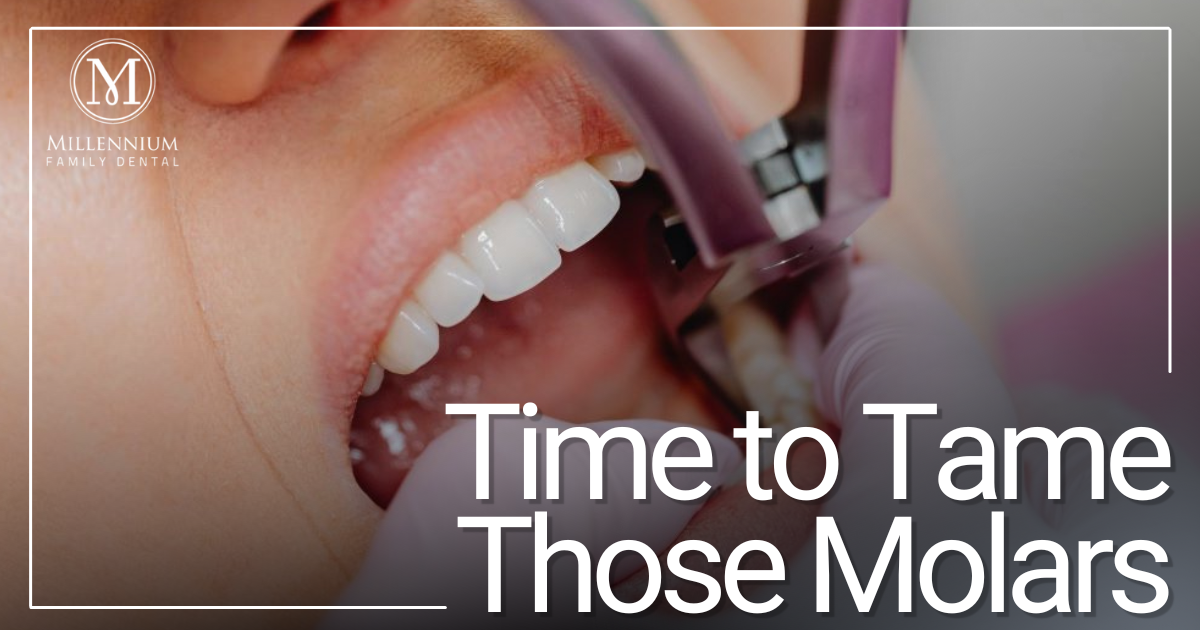
Wisdom teeth removal is performed under local anesthesia, sedation, or general anesthesia, depending on the complexity of the extraction and patient comfort. The dentist or oral surgeon carefully removes the teeth while minimizing trauma to the surrounding tissue. For impacted teeth, a small incision in the gum may be necessary, and occasionally, a tooth may need to be sectioned for easier removal. The procedure is designed to be as efficient and comfortable as possible, with modern techniques reducing discomfort and recovery time.
Patients can typically return home shortly after the procedure, with specific instructions for managing swelling, bleeding, and discomfort during the initial healing phase.
Recovery & Aftercare
Following wisdom teeth removal, proper aftercare is essential for a smooth recovery. Patients are advised to:
- Rest and avoid strenuous activity: Allowing the body to focus on healing promotes faster recovery.
- Follow a soft food diet: Foods such as yogurt, smoothies, and soups help avoid irritation at the extraction site.
- Maintain oral hygiene carefully: Gentle rinsing with saltwater or prescribed mouthwash keeps the area clean without disturbing healing tissue.
Swelling, mild discomfort, and minor bleeding are normal in the first few days and typically improve within a week. Most patients resume normal activities within a few days to a week, depending on the number of teeth removed and the complexity of the procedure.
Benefits of Wisdom Teeth Removal
Timely removal of wisdom teeth provides several long-term benefits:
- Prevents overcrowding and bite issues: Protects the alignment of existing teeth.
- Reduces risk of infection and cavities: Eliminates areas that are difficult to clean.
- Minimizes pain and discomfort: Avoids pressure, swelling, and potential cyst formation.
- Supports overall oral health: Helps maintain a cleaner, healthier mouth with less need for future dental procedures.
By addressing wisdom teeth proactively, patients preserve the function and aesthetics of their smile.
Wisdom teeth removal is a safe, common procedure that can prevent complications and support lifelong oral health. Understanding what to expect and following proper aftercare ensures a smooth, comfortable recovery. If your child is near the age of wisdom teeth emergence, scheduling an evaluation with us is a smart step. With timely removal and attentive care, you can maintain a healthy, functional, and confident smile for years to come. Book an appointment with us at Millennium Family Dental today. Our office is located in Meridian, ID.